Planning · 6 min read
The short answer
For clear skies and mountain views, come in autumn (late September to November). For flowers and festivals, come in spring (March to May). Winter brings crisp, sunny days and fewer visitors, while summer is green and peaceful, with regular rain.
The Sustainable Development Fee is the same all year, so the choice really comes down to what you would like to see.
Spring: March to May
The valleys warm up, rhododendrons and magnolias flower across the hillsides, and farmers begin preparing their fields. Spring is one of the two busiest seasons, and the Paro Tshechu, usually held in March or April, fills the courtyard of Rinpung Dzong with families dressed in their finest clothes. By May, a light haze can soften the mountain views.
Good for: festivals, flowers and walking.
Summer: June to August
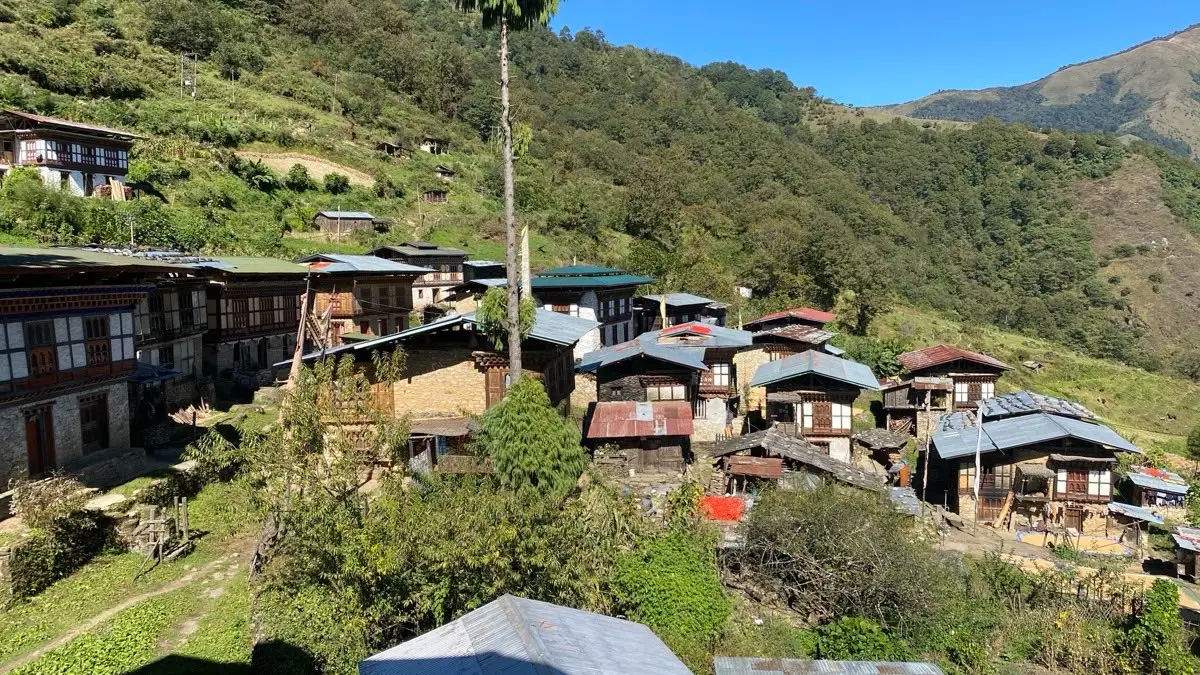
The monsoon brings warm days and regular showers, often in the afternoon or overnight. Rice is planted in the terraces and the valleys are at their greenest. Clouds often hide the high peaks, and heavy rain can occasionally slow travel on mountain roads. In return, you will find fewer visitors and a relaxed, unhurried feel.
Good for: lush landscapes, quiet sites and travellers who don’t mind some rain.
Autumn: September to November
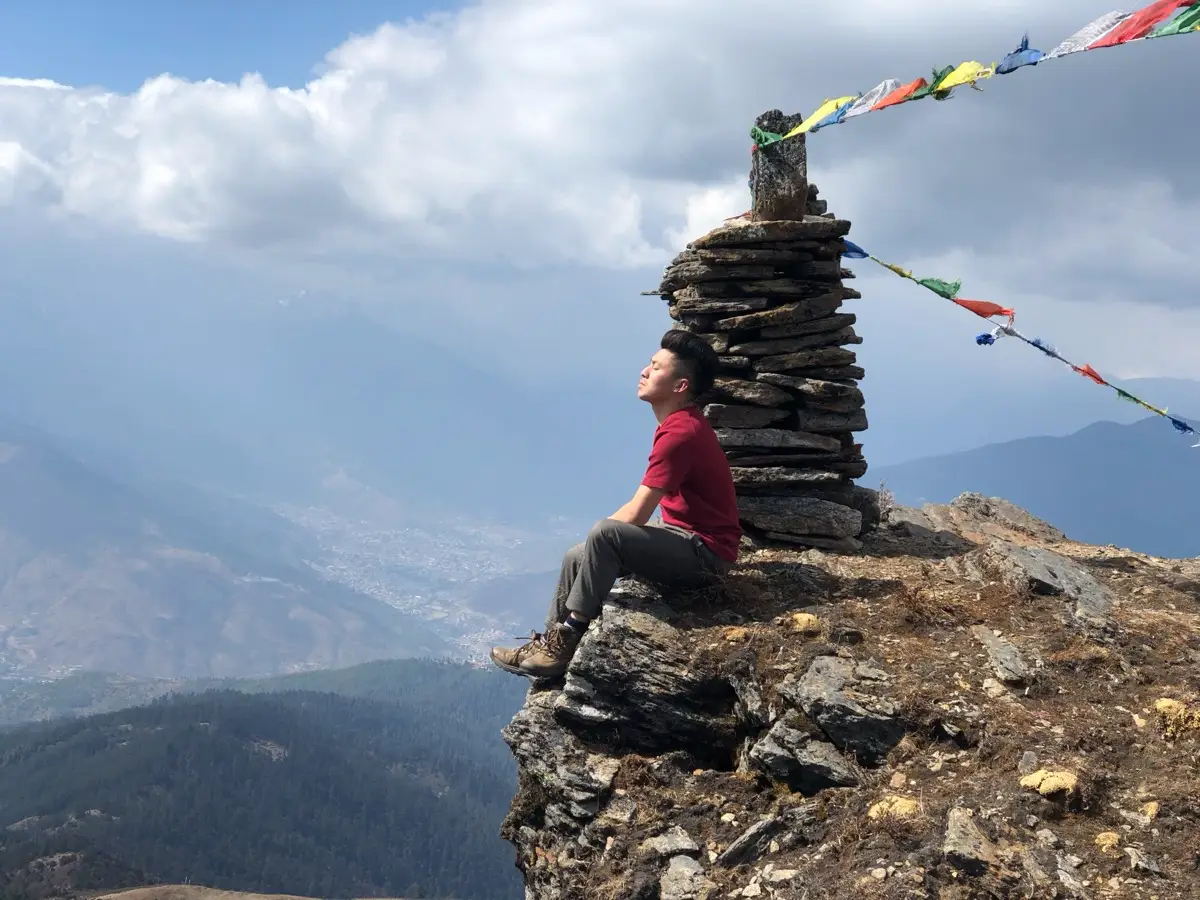
As the monsoon clears, the skies become their clearest of the year, and on a good day you can see the Himalayan peaks from Dochula Pass. The rice terraces turn gold before the harvest. Autumn is the busiest season, with the Thimphu Tshechu and many village festivals, including the Tamshing Phala Choepa in our home valley of Bumthang. It is worth booking early.
Good for: mountain views, festivals and hiking.
Winter: December to February
Days are often sunny and clear, but nights are cold, especially in Bumthang, and the higher passes can see snow. Black-necked cranes arrive from Tibet to spend the winter in the Phobjikha valley, and Punakha, which sits lower and warmer, is pleasant all season. With fewer visitors, the dzongs and temples feel especially peaceful.
Good for: clear skies, birdwatching and quiet travel. Pack warm layers.
Month by month
| Month | What to expect |
|---|---|
| January | Cold nights, clear days, cranes in Phobjikha |
| February | Still cool; festivals at Punakha Dzong; Losar, the Bhutanese New Year, often falls in February or March |
| March | Warmer days, early rhododendrons, spring festivals begin |
| April | Flowers at their best; the Paro Tshechu falls in some years |
| May | Warm, with some haze; quieter before the rains |
| June | Rains begin and the valleys turn green |
| July | The wettest month; peaceful sites |
| August | Rain eases towards the end of the month |
| September | Skies clearing; autumn festivals begin |
| October | Clearest views and the busiest month; the Thimphu Tshechu falls in some years |
| November | Crisp and clear; cranes return to Phobjikha |
| December | Cold, sunny and quiet; the Druk Wangyel Tshechu at Dochula Pass |
Festival dates follow the Bhutanese lunar calendar and change each year. See our festival calendar for the main festivals.
A few more things to consider
- Flights: seats into Paro fill quickly in spring and autumn, so we suggest booking three to six months ahead.
- Festivals: if you would like to see a tshechu, choose the festival first and plan your dates around it.
- Tiger’s Nest: the hike is open all year, and the trail is easiest in the drier months. Read our guide to the hike.